FAE Stories - Canada
Restoring overgrown land in Alberta, Canada
Forestry mulching, tree care and land restoration with FAE forestry mulchers and the PT200 tracked carrier
Find out more
Beaver Tooth Mulching was born from a personal land-clearing project in Foothills County, Alberta, Canada. In 2015, the Kaltenbruner family purchased a four-acre property near Highway 762. The land was densely wooded and covered with deadfall, making many areas difficult to access.
 |
 |
In 2021, the family began clearing the property with chainsaws. However, it soon became clear that this method alone would be far too time-consuming. They initially purchased a skid steer to move logs and branches and remove large stumps, but the work generated substantial piles of woody debris that still needed to be managed.
The search for a more efficient solution led to the purchase of their first forestry mulcher.
“Our first mulcher was a skid steer mulcher head. It worked pretty well, but we required something with a door on the front for working on private acreages and keeping the discharge under control,” explains Dennis Kaltenbruner.
The possibility of processing trees, brush and other woody material directly on site transformed the project. Instead of being burned, buried or transported elsewhere, the resulting mulch could be distributed over the ground.
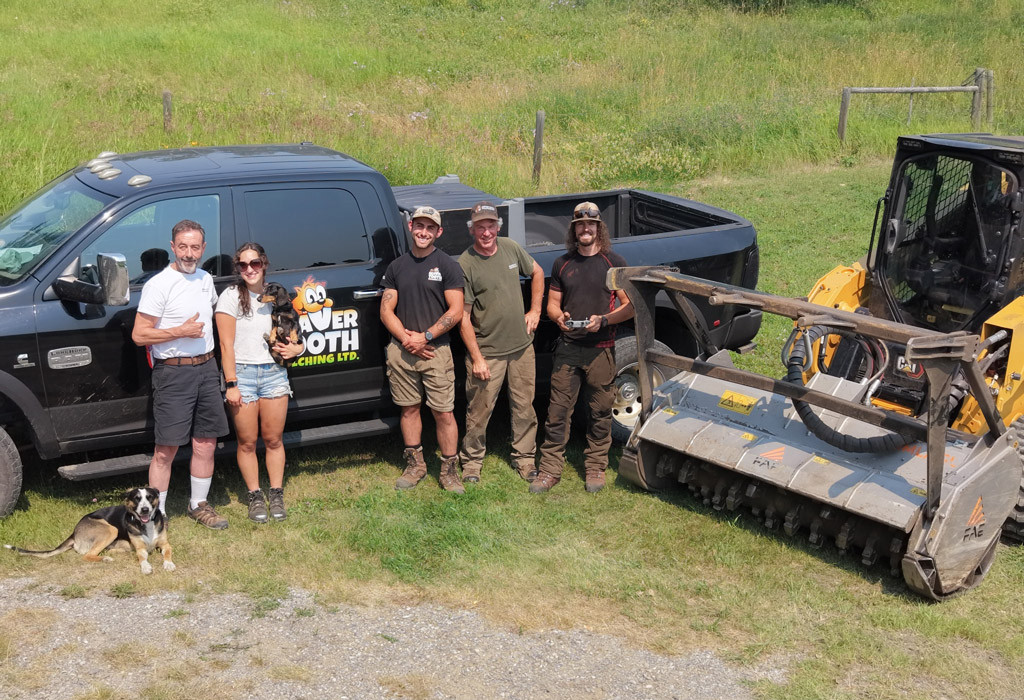
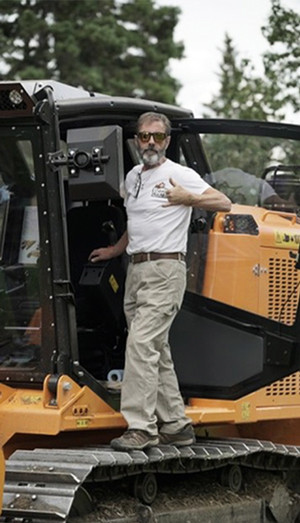
Dennis enjoyed the work so much that he decided to turn it into a new career. Today, he is the owner of Beaver Tooth Mulching where he works alongside his daughter.
Beaver Tooth Mulching operates from its workshop on Highway 762 in Foothills County, serving customers located mainly within one hour of its headquarters. Its primary service area includes Bragg Creek, Priddis, Millarville, Diamond Valley, Turner Valley, DeWinton, Springbank, Cochrane, Bearspaw and Cremona.
The company works primarily on privately owned land, but also carries out commercial land-clearing projects. Its services combine forestry mulching, arboriculture, tree removal, stump grinding, chainsaw work and chipping.
In addition, they use grapples to relocate logs, branches, firewood and other material. Their crew includes two arborists who assess tree health and plan the safe removal of dangerous trees located near homes, barns, power lines and other assets.
 |
 |
 |
 |
“When working for most customers, we use a combination of mulching, grappling and chainsaw work, because many jobs require different types of equipment. Sometimes, however, we carry out mulching-only projects or chainsaw and chipping work,” Dennis explains.
This combination of skills and equipment allows the company to adapt its approach to the conditions and requirements of each jobsite.
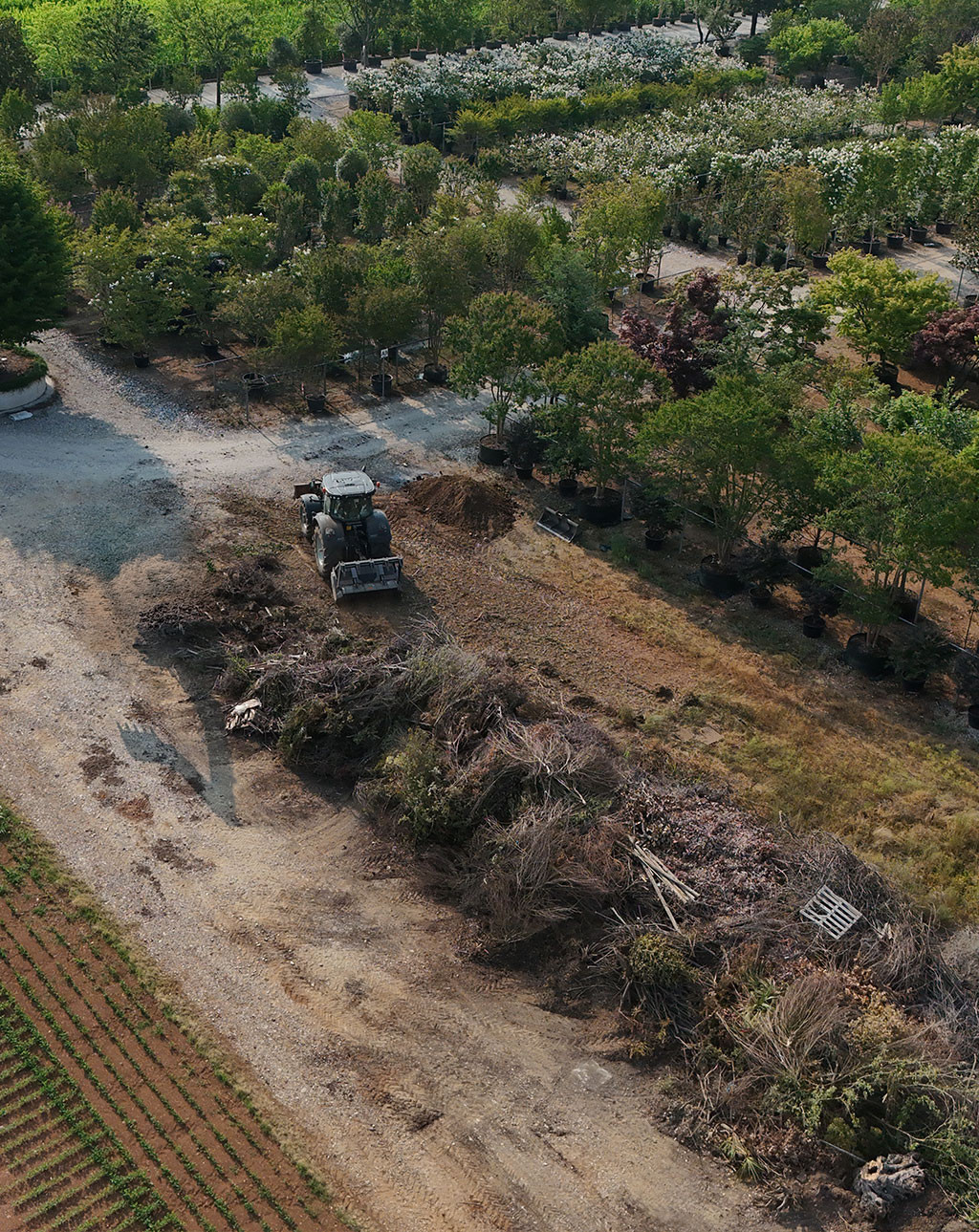
Customers often need to recover land that has become overgrown or difficult to use because of deadfall, old burn piles, stumps and dense brush. The objective is to transform these areas into safe, accessible and functional spaces.
Typical projects include creating trails through densely wooded areas for walking, cycling or horseback riding, processing stumps in pastures to make them safer for horses and livestock, and mulching accumulated brush piles.
“Our objective is to make the land workable and usable for the customer. Mulching brush piles also means that land owners do not need to manage and supervise a large bonfire,” Dennis says.
While trees and brush are the main materials processed, Dennis expressed that debris can be a major challenge. Older or previously used properties can contain hidden obstacles. Ropes, barbed wire, abandoned electrical cords and other foreign objects may be concealed beneath vegetation or inside piles of woody material and can become caught in the mulcher.
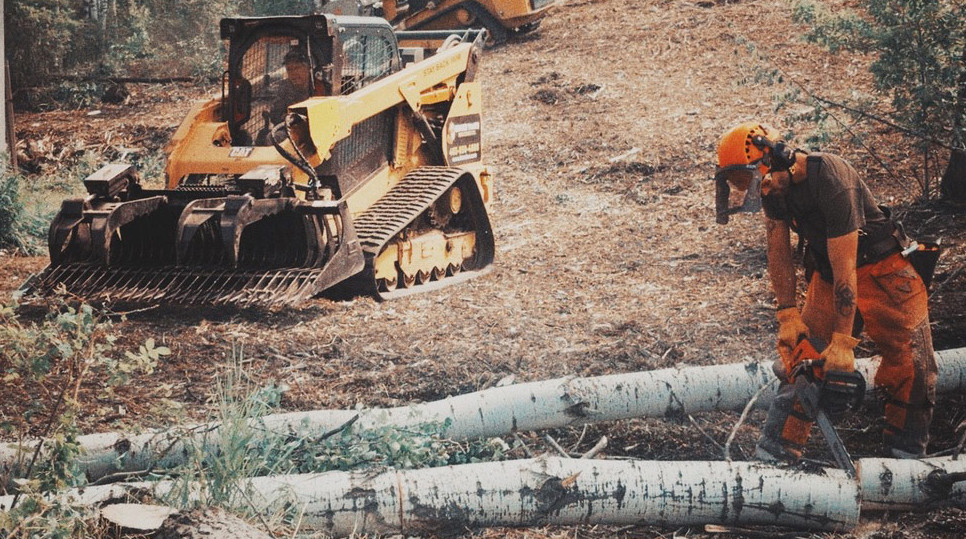
Beaver Tooth Mulching carries out both large-scale clearing operations and smaller, highly targeted projects. Its fleet allows the team to select the most suitable machine according to the available space, vegetation, terrain and access conditions.
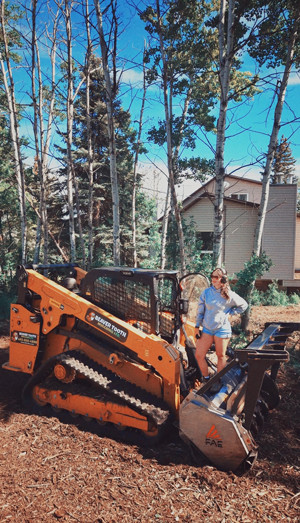
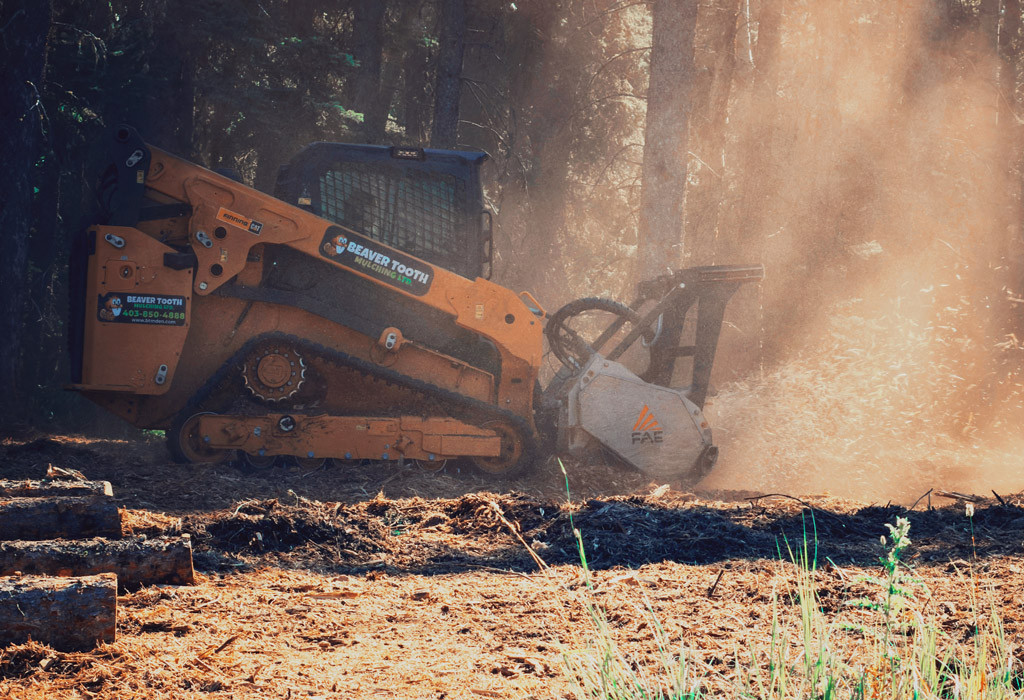
The company currently operates two CAT 275 skid steers, one equipped with an FAE UML/SSL/SONIC-175 forestry mulcher and the other with an FAE UML/SSL/SONIC-150 forestry mulcher.
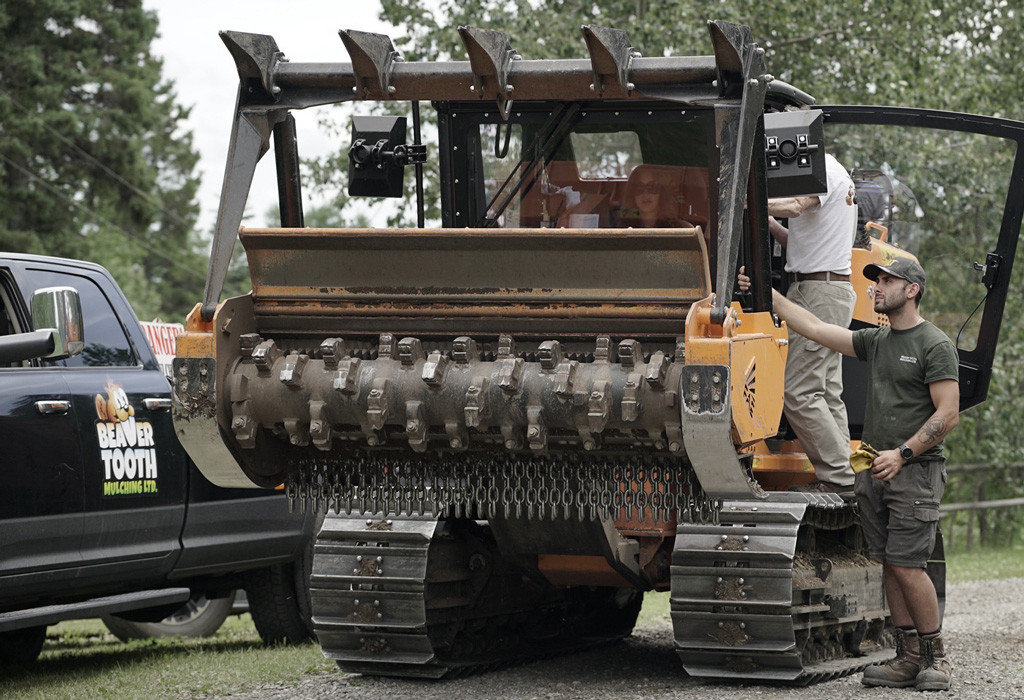
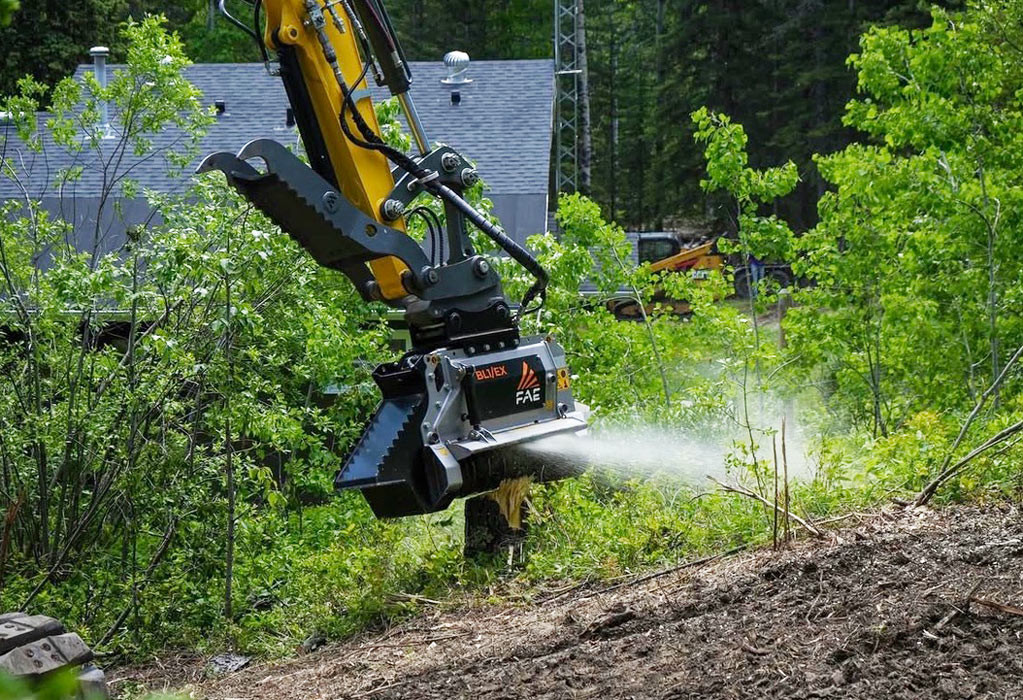
It also uses a Wacker Neuson ET90 excavator equipped with an FAE BL1/EX forestry mulcher, while the latest addition to the fleet is a new FAE PT200 tracked carrier.
The purchase of the UML/SSL/SONIC-175 represented an important step forward for the company.
“I bought a UML/SSL/SONIC-175 and was totally impressed. The FAE mulcher did a fantastic job of creating smooth, fine mulch for an impressive finish,” Dennis explains.
 |
 |
Dennis also highlights the assistance received throughout the company’s experience with FAE:
“The support from the FAE team in Edmonton has always been fantastic, as has the support from the sales team at Langner Equipment.”
Dennis explains that, although Beaver Tooth Mulching also operates other mulchers, its FAE equipment consistently delivers the best results. He says that the FAE mulchers process wood into a finer, more uniform material, producing a smoother finish and reducing the cleanup required after the initial pass. This allows the team to complete jobs quickly and achieve a higher-quality result, generally in the same amount of time or less than with other mulchers.
The combination of productivity, controlled material discharge, fine shredding and a high-quality finish has led Beaver Tooth Mulching to progressively expand its FAE fleet.
“I now have four FAE mulcher heads and a new PT200. FAE all the way!” Dennis concludes.