FAE Stories - Brazil
Maintaining eucalyptus plantations in Brazil
FAE puts the RCU120 to the test
Find out more
Brazil is the world’s leading grower of eucalyptus, with plantations of this species representing over 70% of the nation’s forests. This makes it a strategic crop for the forest-related economy in the country.
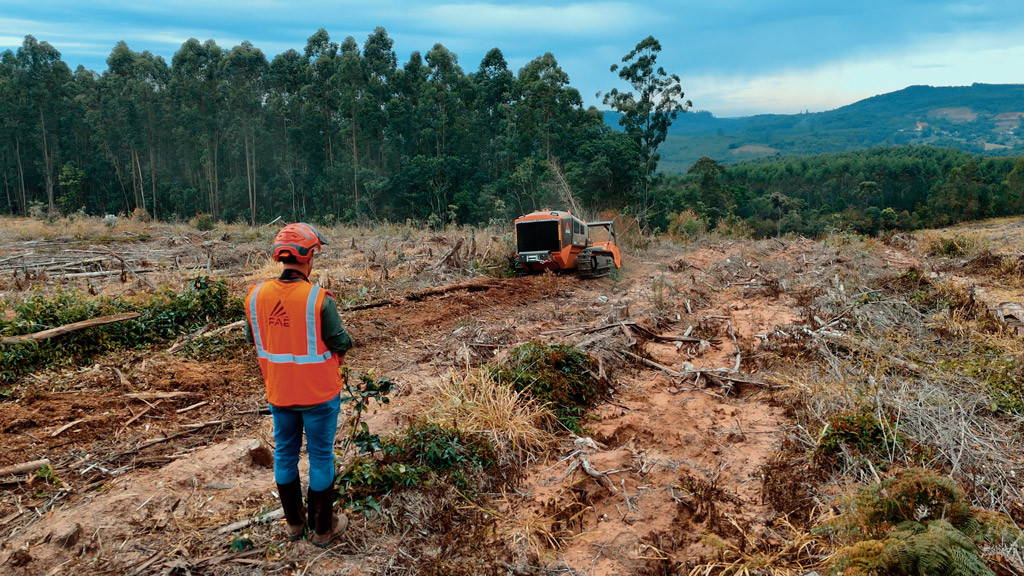
Eucalyptus grows extremely quickly and can be harvested in 5-7 year cycles, making it an attractive option for industrial uses. It is mainly used for the production of cellulose and of charcoal to feed blast furnaces.
Despite the vastness of these plantations, tracked carriers — whether remote-controlled or with a cabin (like the FAE vehicles from the PT series) — are not yet widely used, perhaps due to the significant investment required to purchase such machinery.
 |
 |
 |
Their potential, however, is intriguing; and the market is opening up, starting with eucalyptus. Until twenty years ago, local farmers still used traditional methods such as fire and ox-drawn carts to manage and upgrade eucalyptus plantations. Today, the agricultural sector is making great strides forward, driven in part by growing labor shortages and new environmental regulations.
The customers with most potential are large local businesses operating in the agricultural sector, like Suzano and CMPC, who rely on subcontractors for tasks such as cleaning the rows between the planting beds, removing residual material after clearing, and removing stumps at the end of the plant's life.
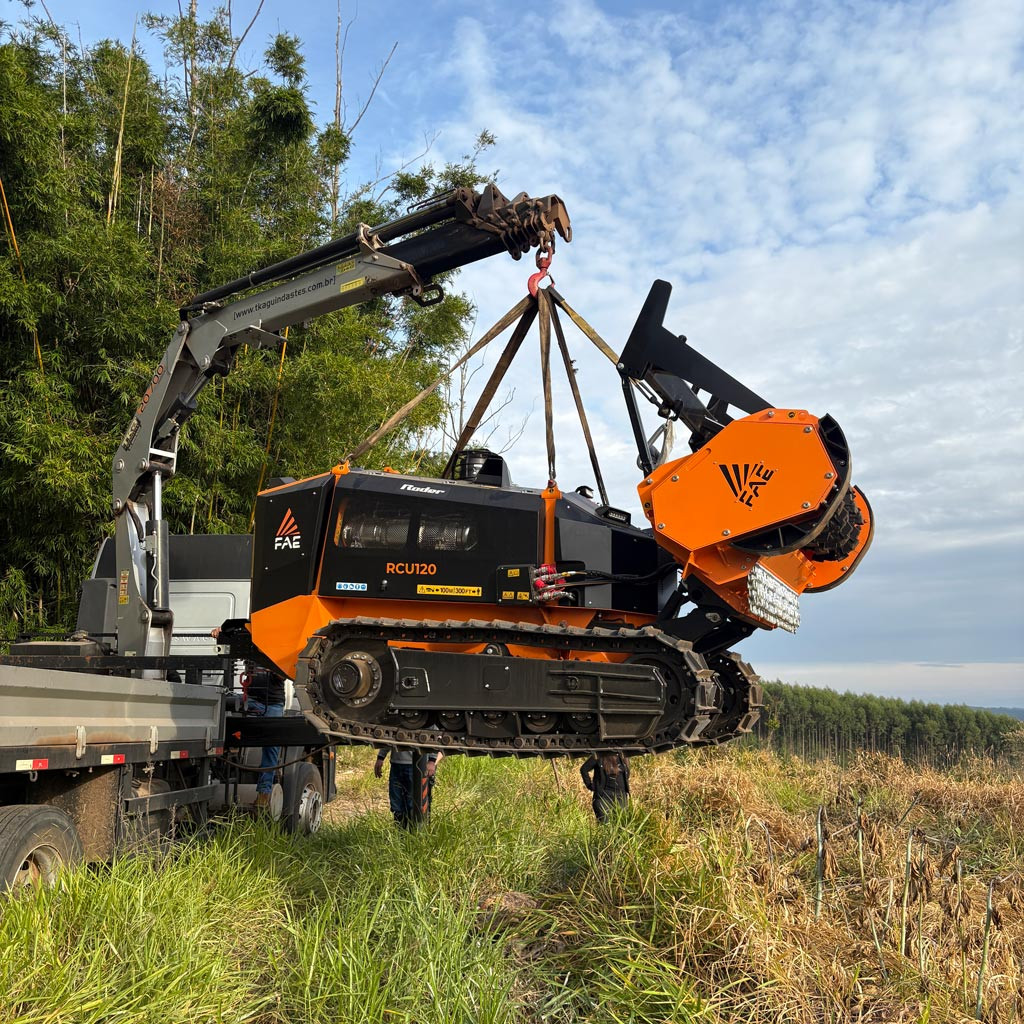
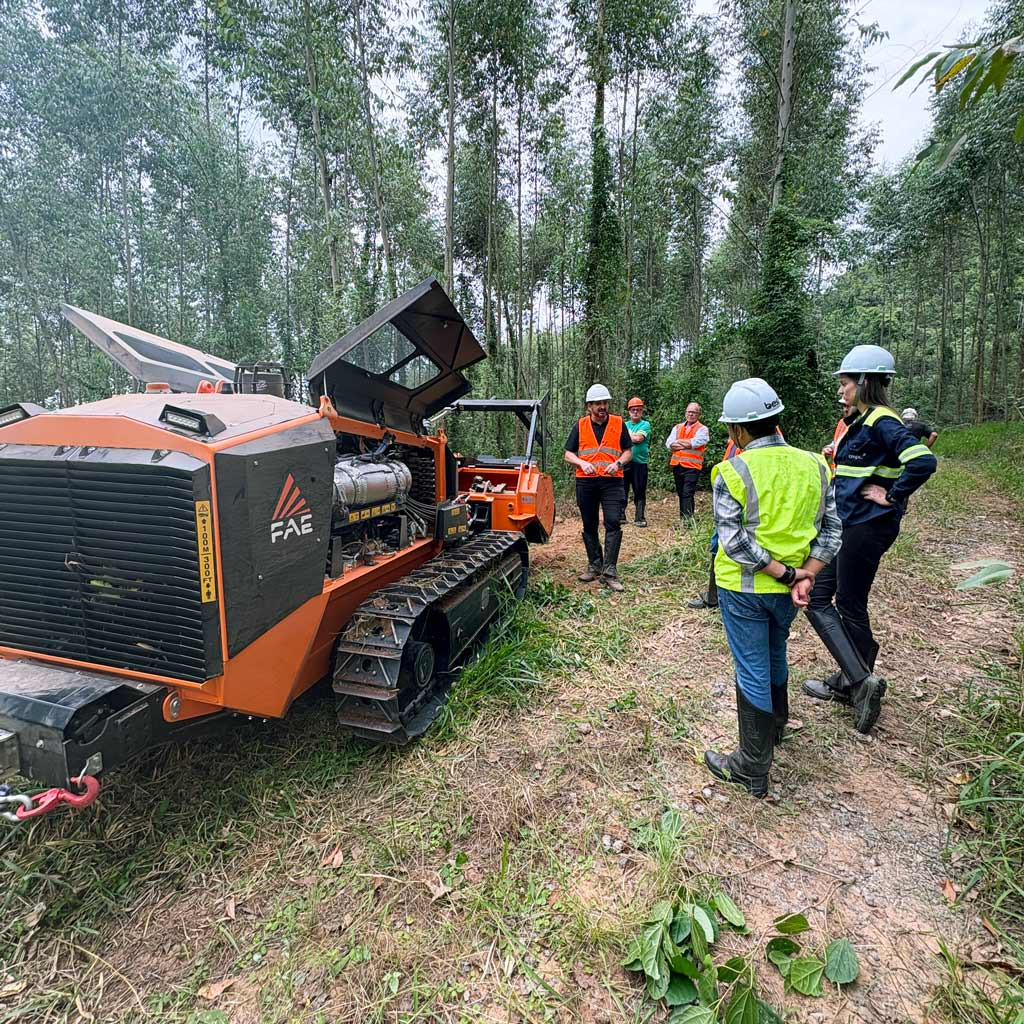
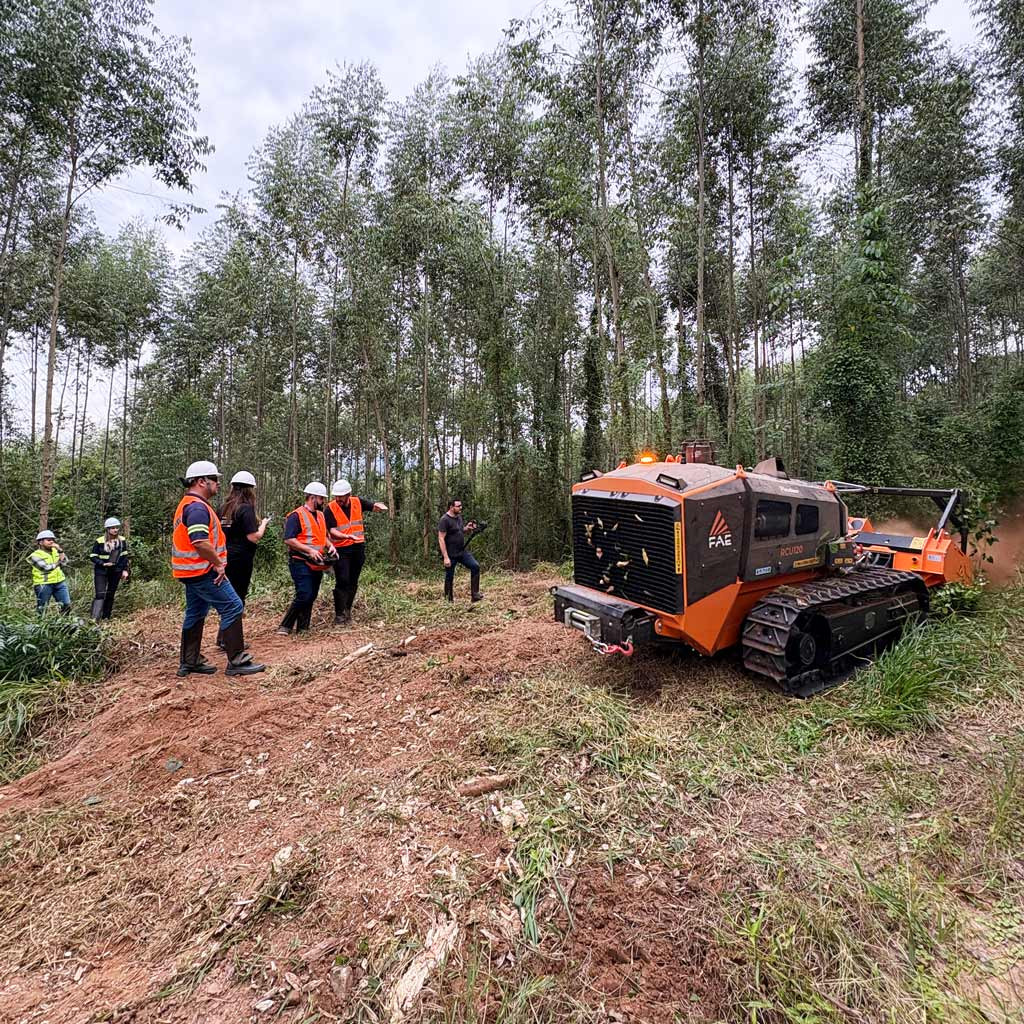
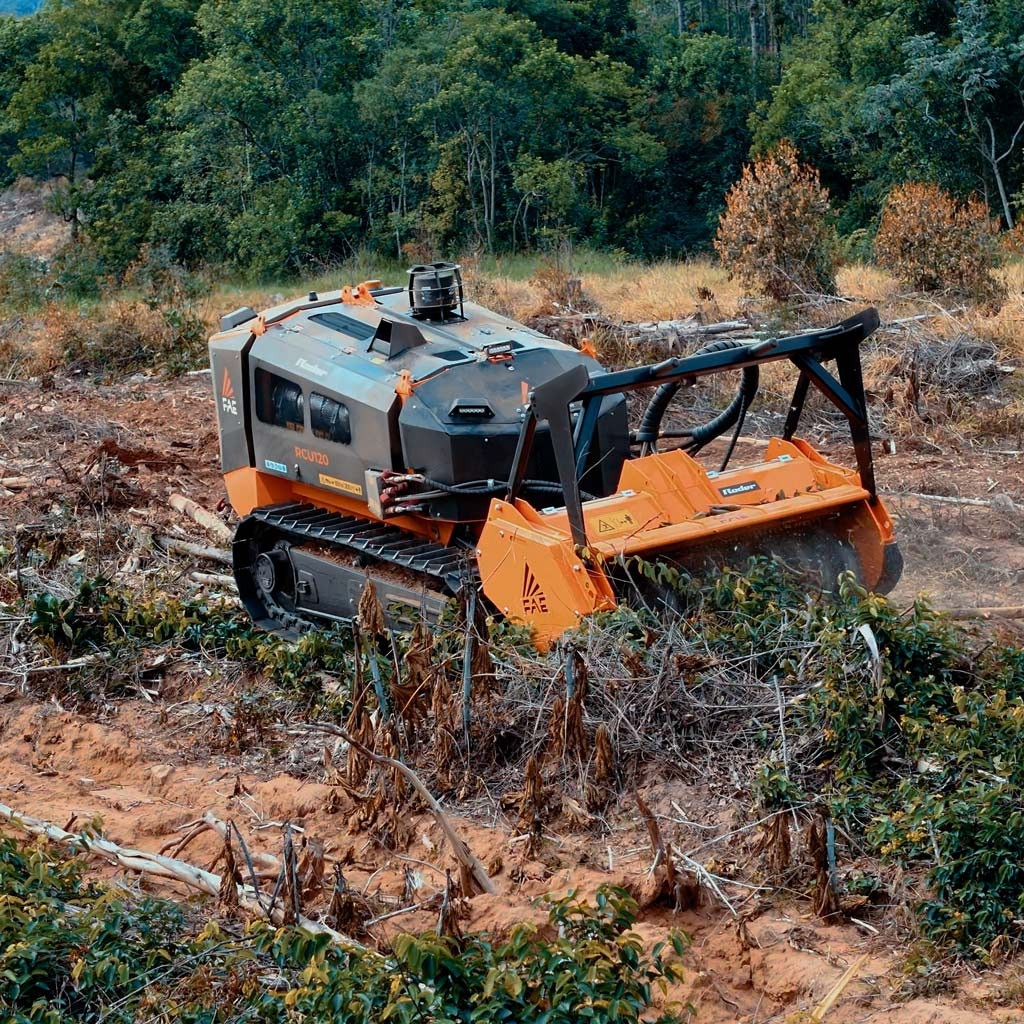
Given the significant prospects for development, FAE’s dealer in Brazil, “Roder Maquinas e Equipamentos”, decided to organize a demo of the RCU120 remote-controlled tracked carrier, launched in Brazil in 2024.
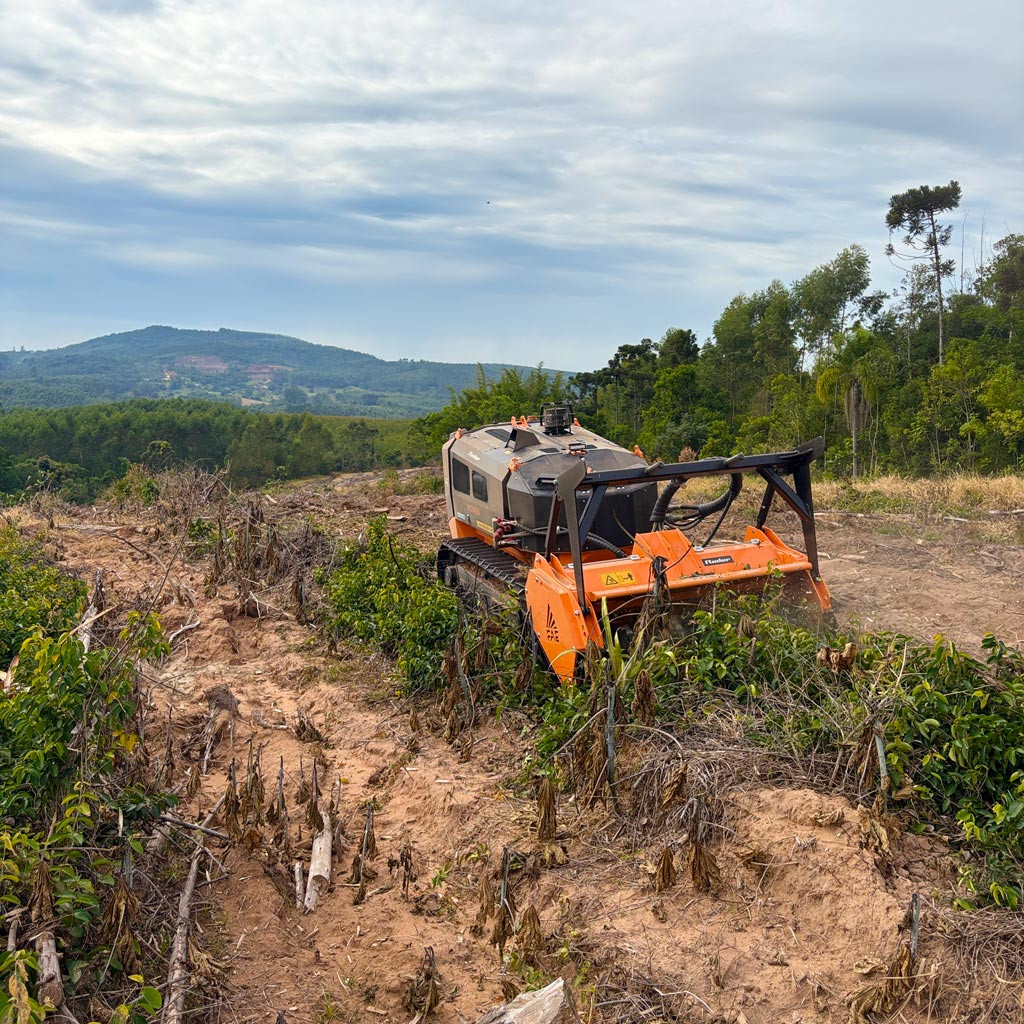
“First of all, we identified the type of work to be done by RCU120”, recollected owner Dyme Roder. “We chose inter-row tillage of eucalyptus plants as we wanted to show our potential customers how it could be used in challenging and widespread tillage. We then selected one of the many plantations in the area and organized the event. I am a great believer in the potential of FAE tracked carriers, and am heavily involved in promotion and sales activities”.
 |
 |
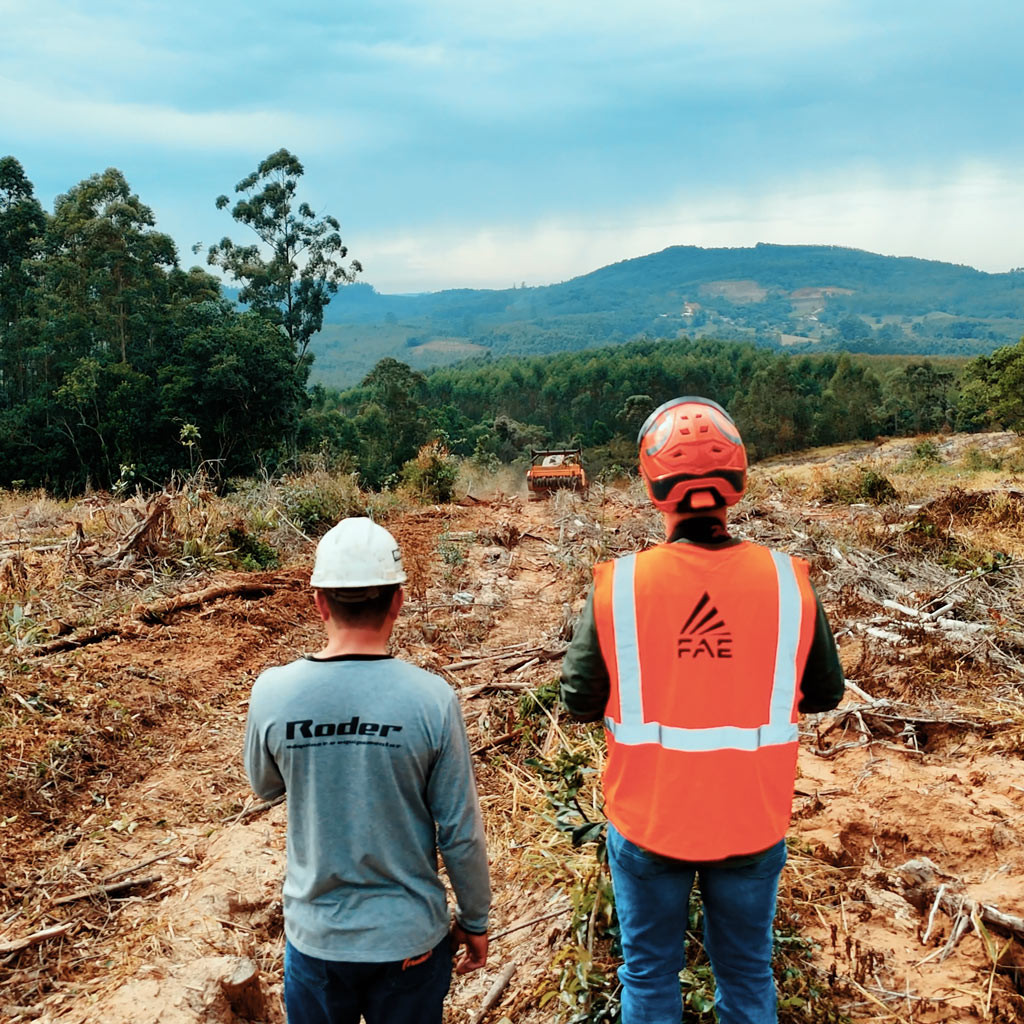 |
The demo was coordinated by FAE’s Product Management, particularly by Product Specialist Andrea Fellin, who traveled to Brazil to oversee the operation.
“The feedback received from those present was very positive”, explained Andrea. “They understood the contribution that RCU120 can make in maintaining the cleanliness of the row spacings, eliminating any competing plants that might take away vital resources from eucalyptus plants, such as light, water and nutrients. This is a key intervention in the early years of plant growth, when numerous plants and small shrubs develop spontaneously and need to be weeded out. The RCU120 has proven to be the ideal machine for working in eucalyptus plantations, partly because the terrain is often uneven and sometimes has significant slopes. Conditions in which our tracked carrier excels”, concluded Andrea.
The future seems bright for FAE tracked carriers in Brazil and in South America, while prospects for the RCU range might also be noteworthy. This is particularly true for the RCU120, a model capable of ensuring high productivity even on complex soils and in the presence of stumps, two of the main characteristics of those areas.